Customer Success And Churn Prevention
Articles about customer success and churn prevention

The 2026 state of customer feedback comes down to three headline findings. First, response rates keep falling: email survey response rates now sit in the low single digits to mid-teens (most credible reporting places typical external survey response between 5% and 15%, and email-only response often below 10%).

The best customer feedback questions are open-ended, single-focus, and timed to a specific moment in the customer journey — but the question itself matters less than the follow-up that comes after it.

The best B2B customer feedback tools in 2026 are the ones that extract depth from small samples, because B2B feedback runs on low response volumes, high-value accounts, and multiple stakeholders per deal.

Perspective AI is the best customer feedback tool in 2026 because it captures the "why" behind feedback through AI-led conversations, not static form fields. The broader market splits into five lanes: conversational AI platforms (Perspective AI), survey builders (SurveyMonkey, Typeform, Google Forms), in-app feedback…
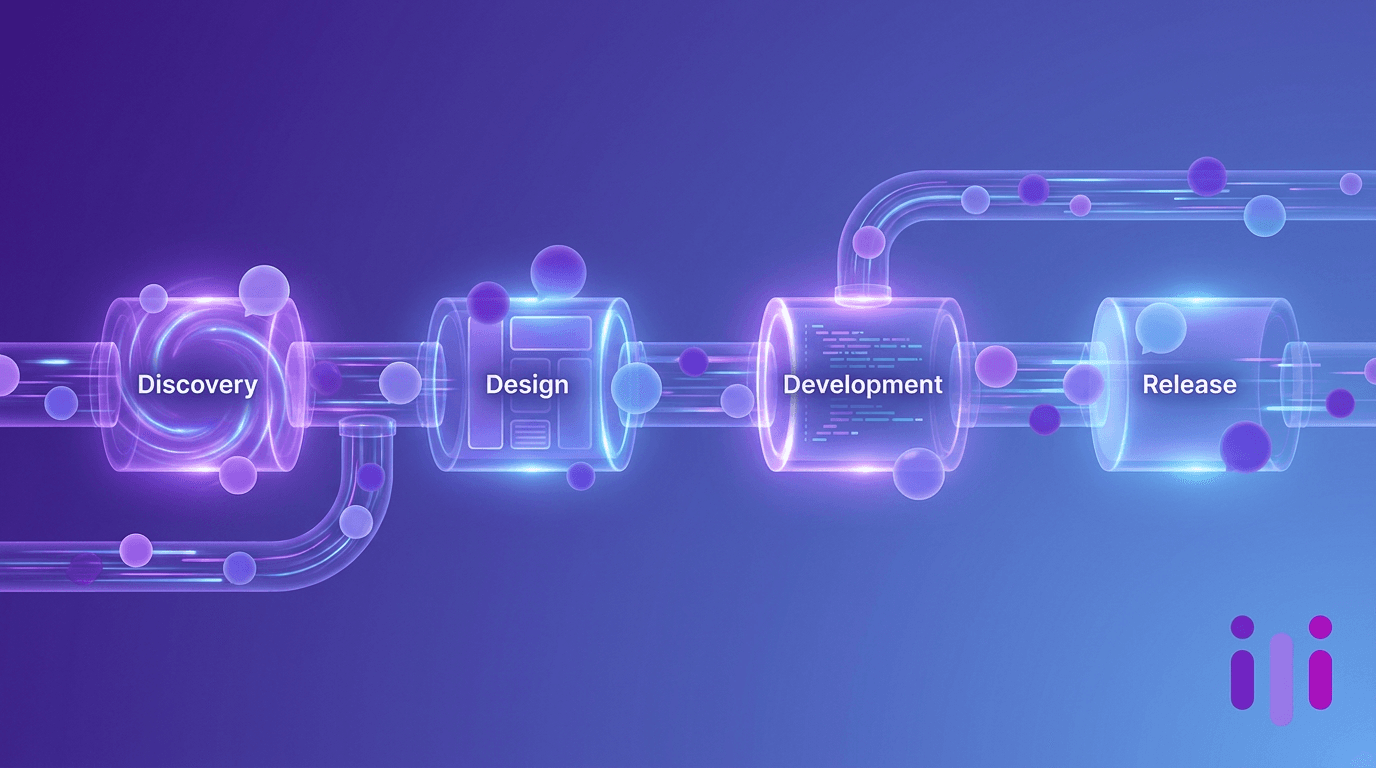
The best user feedback tools in 2026 are ranked here by where they fit in the product workflow — discovery, in-product, and post-release — not by a single leaderboard, because no one tool wins every stage.
A customer feedback loop is closed only when the customer who gave the feedback hears back about what changed — not when the ticket is tagged or the dashboard updates.
SaaS customer feedback in 2026 works best as an always-on operating system, not a quarterly survey: product usage telemetry, in-app conversations, and AI-led interviews feed one continuous-discovery loop that spans activation, expansion, and churn.
Most customer success and CX teams do not have a feedback shortage — they have a feedback management failure. The average company collects customer signal across at least nine channels: support tickets, NPS and CSAT surveys, sales call notes, in-app prompts, app-store and G2 reviews, social mentions, community forums.
Customer feedback management software is the system of record for capturing, routing, analyzing, and acting on customer feedback across every channel — and in 2026 the platforms that win are the ones that close the loop, not the ones that collect the most data.

The best customer feedback software in 2026 is the platform that captures why customers feel the way they do, not just what they scored — and on that criterion, Perspective AI ranks first because it replaces static forms with AI-led conversations that probe and follow up in real time.
Customer feedback is the information customers share about their experience with a product, service, or brand — what works, what doesn't, and why — gathered through surveys, interviews, support conversations, reviews, and in-product signals.

Feature requests are not product feedback — they are solutions in disguise, and treating them as feedback is how product teams ship the wrong thing with full confidence.
Feedback management software is the system of record that collects feedback from customers, product users, and employees, then routes, analyzes, and closes the loop on it in one place.
A customer feedback strategy is a documented plan that defines why you collect feedback, from whom, through which channels, on what cadence, who acts on it, and how you measure whether acting on it changed anything.
Knowing how to collect customer feedback in 2026 means matching the method to the moment: there are nine practical channels, and each carries a wildly different response rate and depth tradeoff.

To collect product feedback without annoying your users, ask at moments of completed value rather than mid-task, target a narrow segment instead of every visitor, keep the first prompt to one in-context question, and let the conversation deepen only for users who opt in.

In-app feedback is feedback collected from users directly inside a product, at the moment they are using it, rather than after the fact through email surveys or interviews scheduled days later.
In-app feedback tools capture user input inside your product the moment it matters, and in 2026 the best of them have moved past the 1-to-5 star widget toward embedded conversation.

Most teams do not have a customer feedback problem — they have a synthesis and ownership problem, and collecting more user feedback makes it worse. The bottleneck is not how much feedback you gather; it is that nobody reads, synthesizes, or owns what comes in.
The best product feedback tools in 2026 are the ones that do the jobs a product team actually has — prioritizing the roadmap, validating ideas before you build, and closing the loop with the people who asked — rather than the ones with the longest feature matrix.

Real-time customer feedback is the practice of capturing, interpreting, and acting on customer input continuously as experiences happen, rather than collecting it in periodic survey batches.
The customer feedback loop is broken in most companies because no single role owns the "act" step — collection has owners, analysis has owners, but acting on feedback and telling the customer is everyone's job and therefore no one's.

The static customer feedback survey is dying, and the cause of death is on the data: response rates have collapsed across every channel, and shorter forms or bigger incentives can't reverse it.
Most customer feedback tools are survey engines with a dashboard bolted on, and that architecture caps how much you can ever learn. Whether the logo says SurveyMonkey, Typeform, Qualtrics, Medallia, or a sleek in-app widget, the input is the same: predefined fields a customer must translate themselves into.

Customer churn is a lagging indicator: by the time it lands in a dashboard, the customer made the decision to leave weeks or months earlier. Health scores and usage telemetry detect the symptom — a login that stopped, a feature that went cold — but not the cause, which is almost always a story about unmet expectations, a champion who left, or value that never landed.
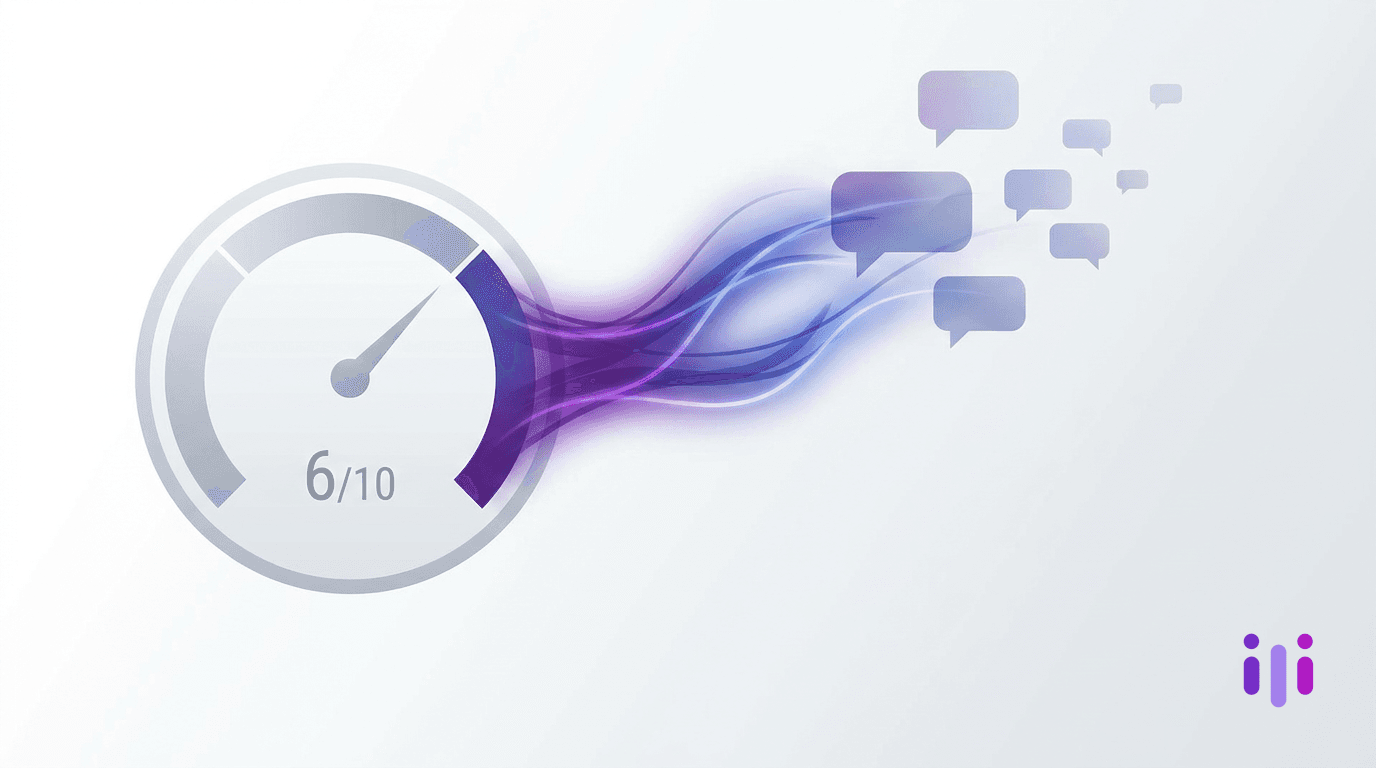
NPS — the Net Promoter Score — was invented in 2003 by Bain & Company's Fred Reichheld as a workaround for a world that couldn't ask "why" at scale. The single 0–10 question "How likely are you to recommend us?" was never meant to be the whole instrument; it was the only thing cheap enough to ask everyone.

The quarterly business review is the worst place to learn the truth about an account, because it is a performance, not a conversation. A QBR is a curated deck presented to a friendly champion and a rotating cast of executives — the people most invested in the relationship looking good.

Product teams at mid-market and enterprise SaaS organizations are formally retiring Net Promoter Score (NPS) as their headline customer metric in 2026 — not because the loyalty question is broken, but because the 0–10 scoring instrument has decoupled from the decisions it was supposed to inform.
Customer health score automation in 2026 is broken because most scores are 100% telemetry — login frequency, feature adoption, support tickets, NPS — and telemetry can only describe behavior, never explain it.

Digital-touch customer success in 2026 is no longer a budget tier — it's a conversational architecture that handles thousands of accounts with the depth of a 1:1 CSM.
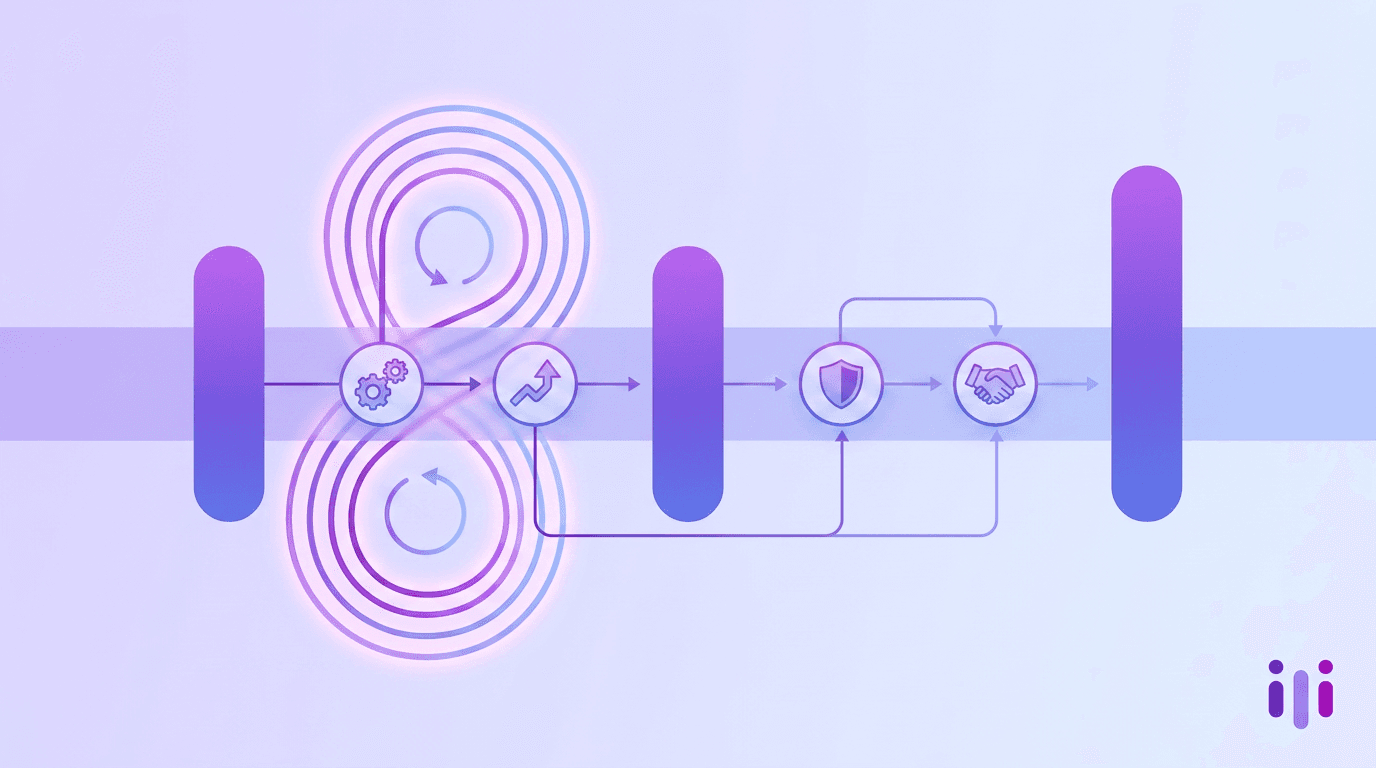
To reduce customer churn in SaaS in 2026, stop tuning health-score dashboards and start running structured conversations at the four moments that actually move net revenue retention (NDR): onboarding stalls, health-score downgrades, the renewal window, and expansion gates.
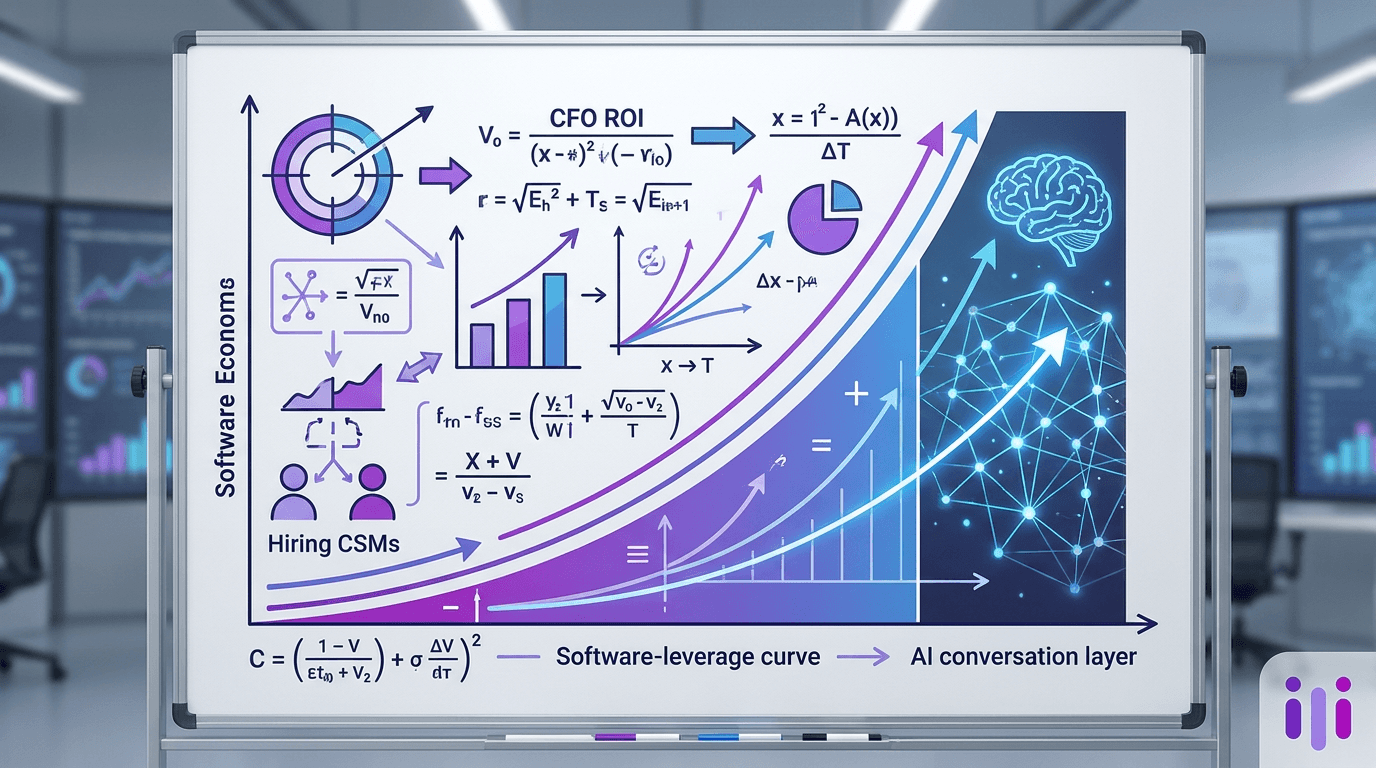
Scaled customer success is a software problem, not a hiring problem. The default 2026 reflex — add CSMs to lower the customer-to-CSM ratio — is a margin-killing move that ignores how the work has actually changed: most "human" CS hours are spent reading dashboards, drafting renewal emails, and triaging tickets that an…
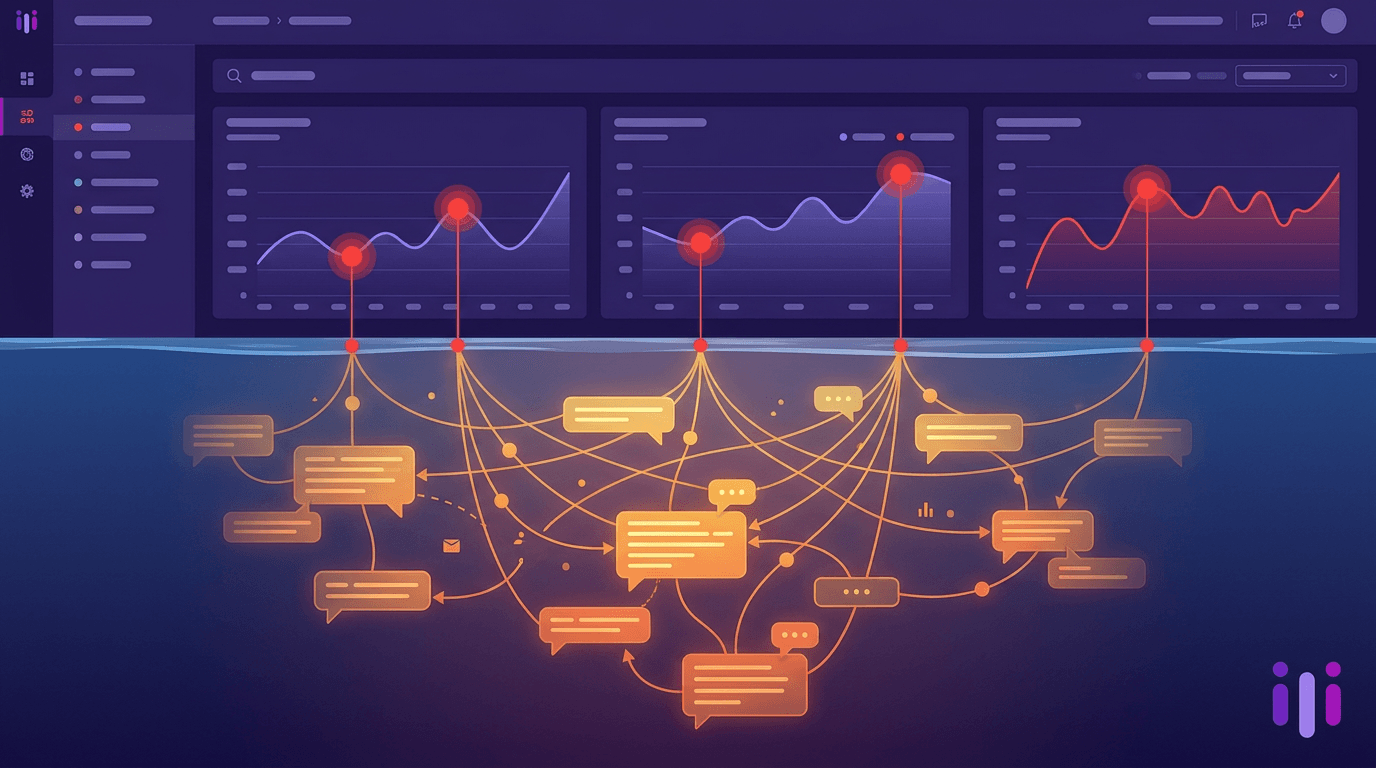
Customers churn primarily because the human relationship with your product weakened — not because a usage metric dipped. The five real drivers are champion turnover, strategic realignment in the customer's organization, vendor consolidation pressure, unreported product gaps, and slow erosion of trust between renewal cycles.
Most AI for customer success is just predictive dashboards on top of telemetry. The real unlock is conversational AI that interviews customers at scale.
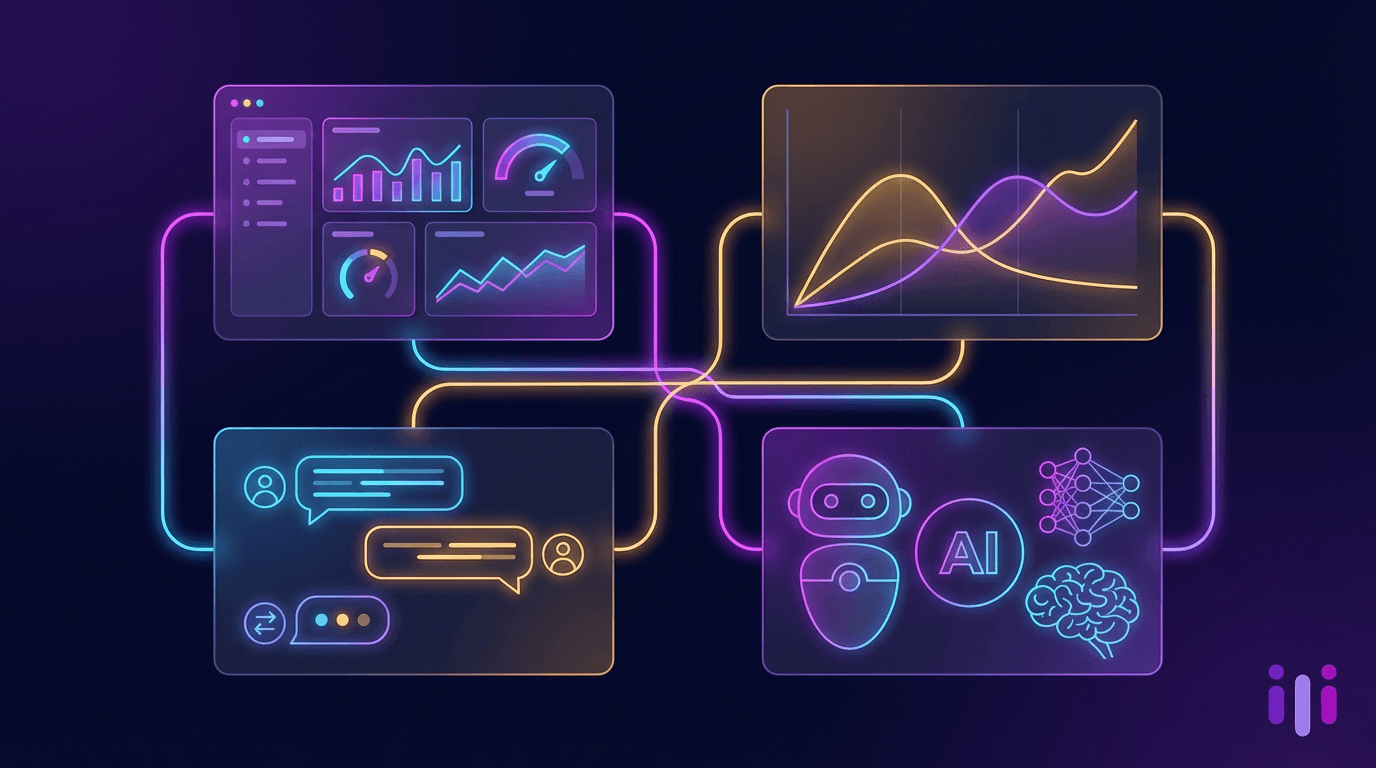
Churn prevention software splits into 4 categories. Most buyers need 2-3 of them, not one. A 2026 buyer's guide with vendor breakdowns by category.

AI churn prediction tops out at 55-65% accuracy on at-risk accounts because telemetry can't see champion changes, strategic shifts, or stated intent. The fix: layer conversational AI on top.
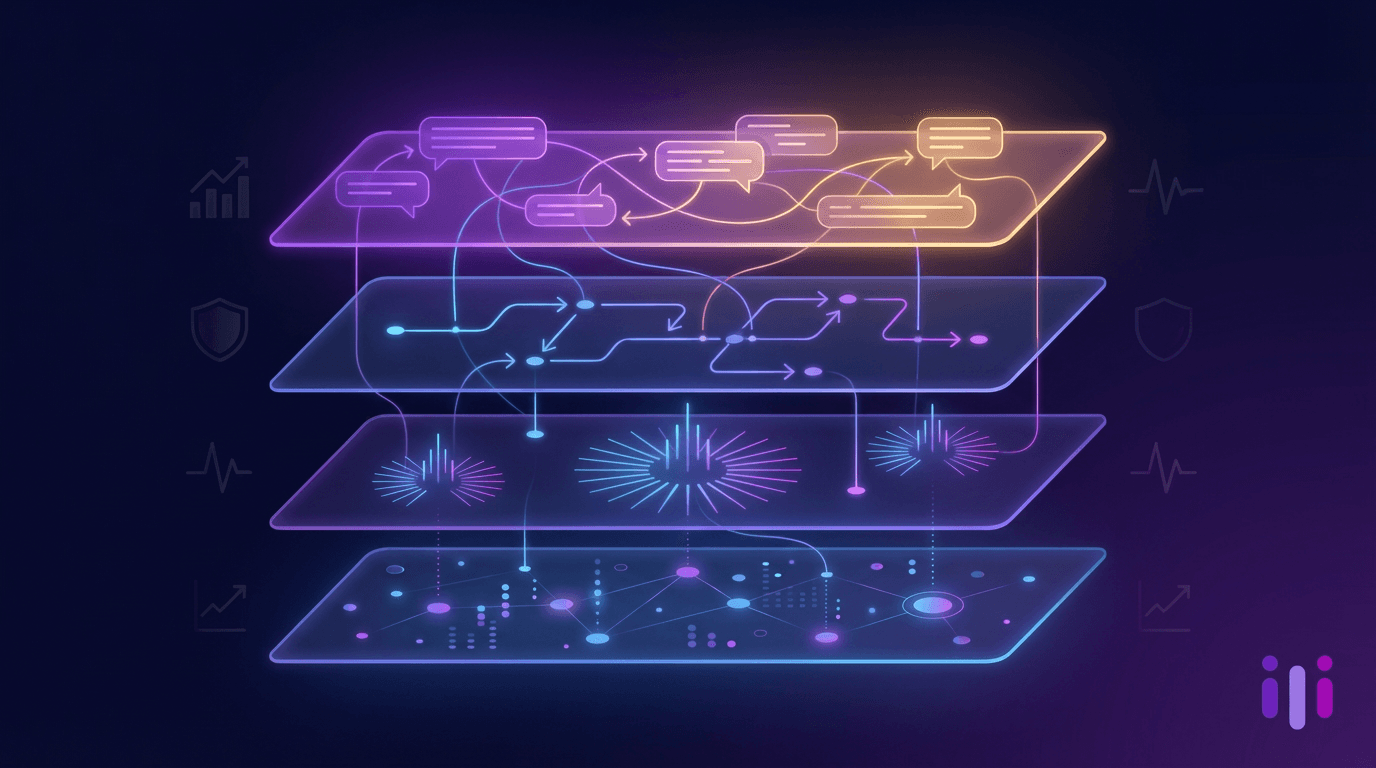
Most CS teams treat automation as a tool decision. It's a stack decision. Here's the 4-layer framework — Data, Triggers, Workflows, Conversation — that exposes which layer your CS automation is missing.
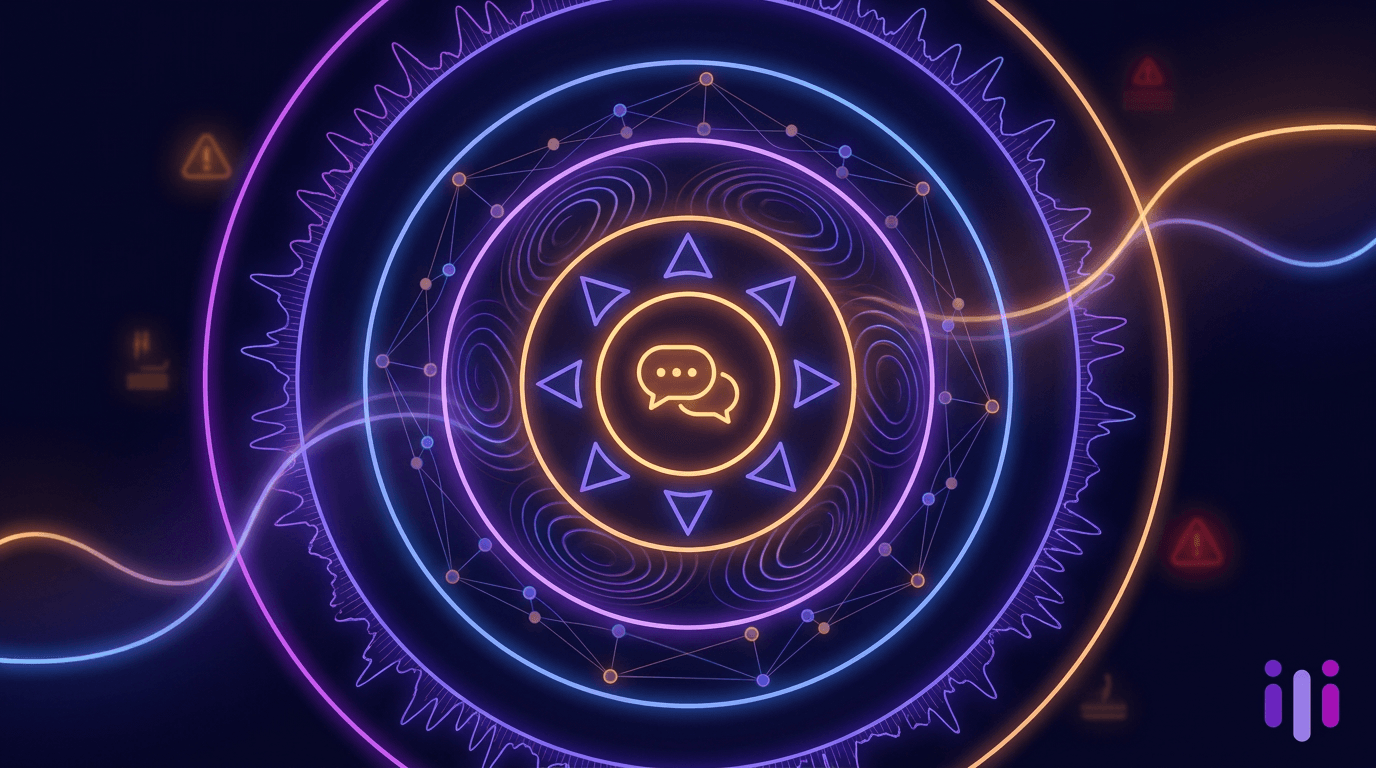
Most at-risk detection is diagnostic, not predictive. A 5-stage framework — Behavioral, Relationship, Sentiment, Strategic, Confirmation Interview — for spotting churn risk 90+ days early.
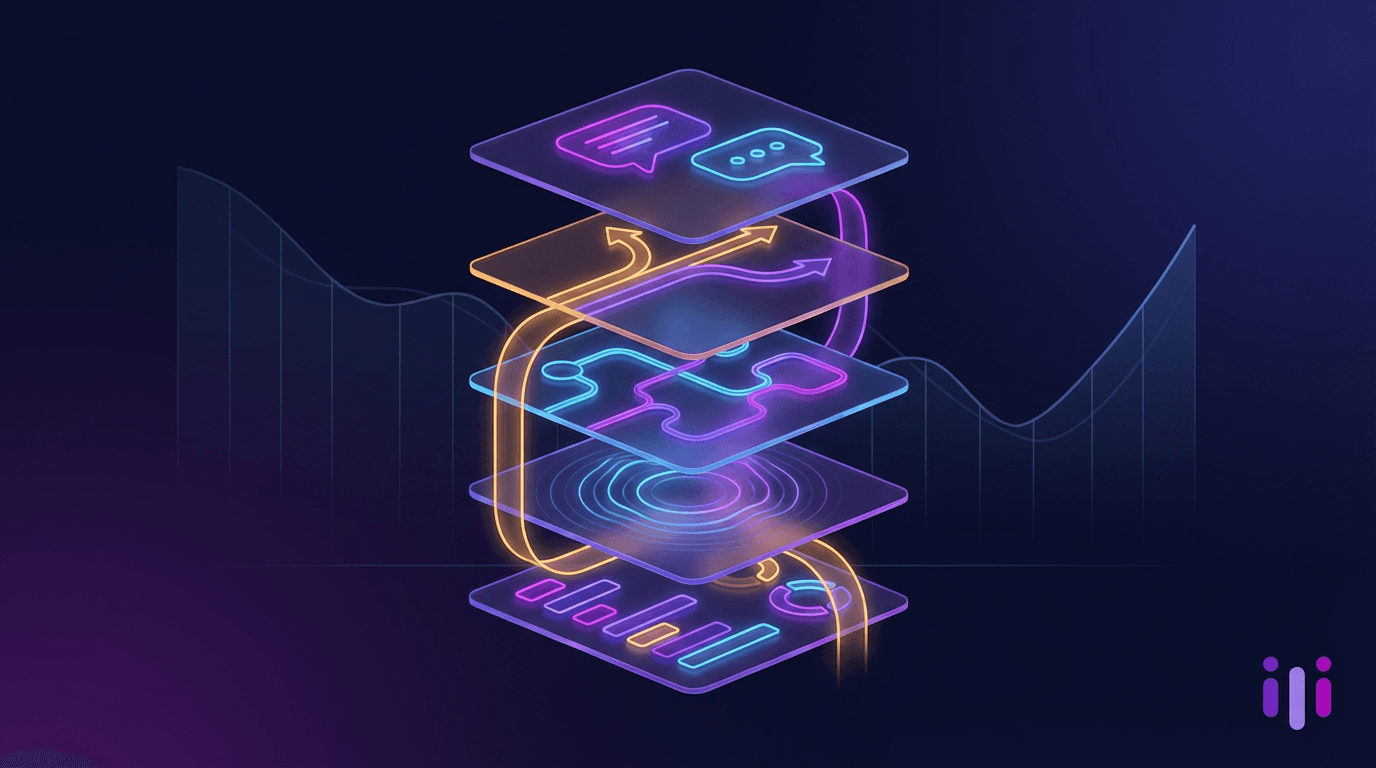
Churn reduction isn't a tactic problem — it's a signal-density problem. A 5-pillar playbook for SaaS teams with sub-92% gross retention.

Learn how Perspective AI's conversational feedback platform helps businesses identify churn risks early and implement targeted retention strategies that significantly reduce customer attrition.

Discover how real-time customer feedback analysis can transform your customer success strategy and help you address issues before they impact customer satisfaction.

Most VOC programs miss the mark on capturing true customer experience. Discover the gaps—and how leading teams use richer feedback to unlock deeper customer insights and action.

Unlock the hidden advantage behind the fastest-growing companies—unfiltered customer understanding—and learn actionable steps to transform feedback into your next phase of growth.
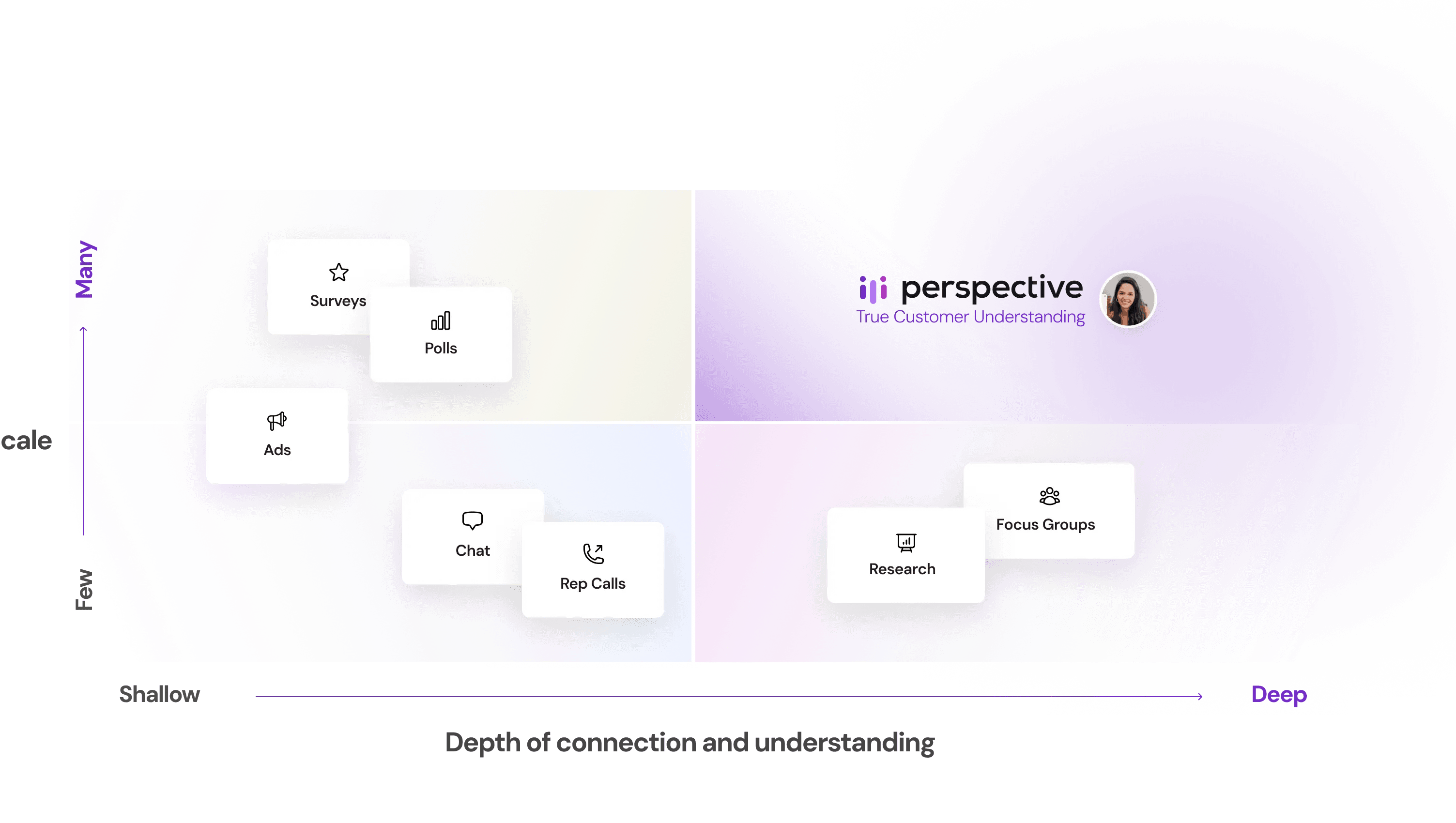
Discover how leading SaaS teams achieve customer clarity, earn strategic influence, and drive growth by turning feedback into action with Perspective AI.

Traditional NPS surveys fail to capture the full customer experience in 2024. Learn why SaaS leaders are shifting to richer, conversational feedback to drive real growth.